Is “ski-in/ski-out” really as simple as it sounds? In Big Sky, where the mountain spans multiple base areas and lift networks, the answer is more nuanced. You want easy days on snow, smooth logistics for guests, and strong resale or rental appeal. This guide breaks down what ski access truly means here, how location shapes lifestyle and value, and what to verify before you buy so you can choose with confidence. Let’s dive in.
What ski‑in/ski‑out means in Big Sky
True ski‑in/ski‑out
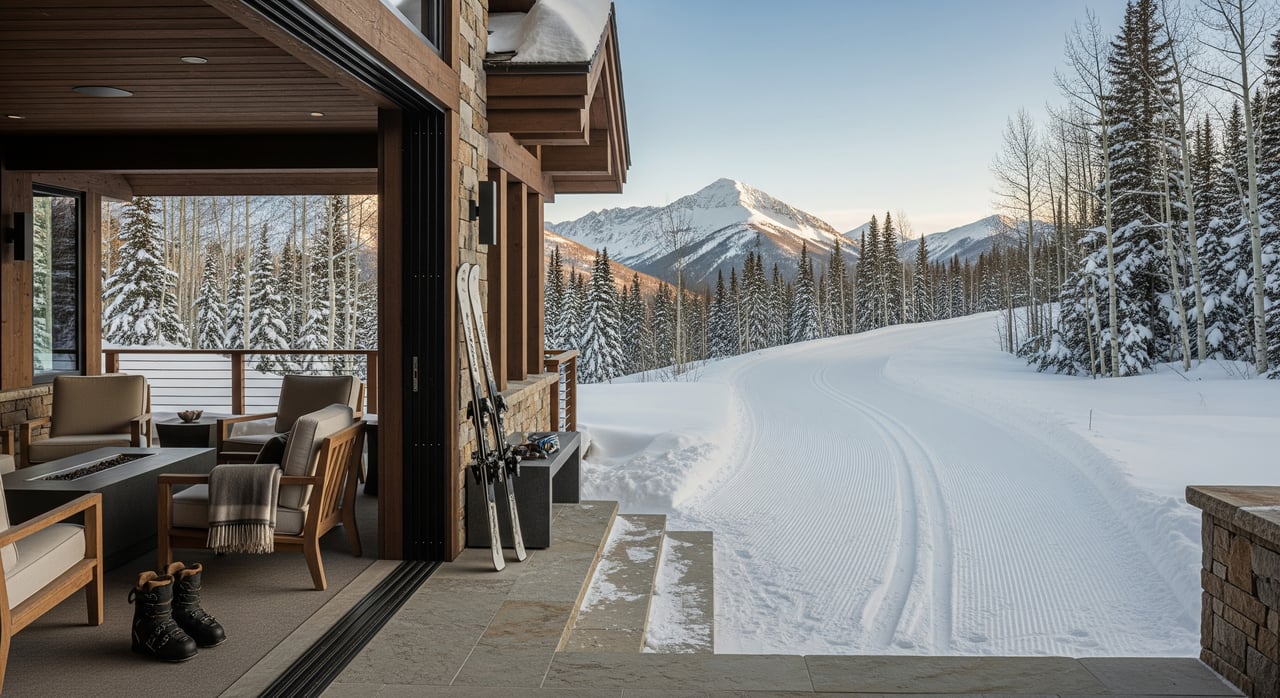
True ski‑in/ski‑out means you have a legal, physical, consistently usable route to a lift, groomed run, or base facilities and a reliable way to return without driving or using a motorized shuttle. Look for recorded easements or trail corridors, maintained trails, and safe return routes in typical operating conditions. If skiing is not the plan that day, a reasonable walk to lifts or services helps. This is the highest convenience and often carries the strongest lifestyle and marketing appeal.
Lift‑adjacent or short walk
Lift‑adjacent means you can walk a short distance to a lift or gondola, usually in minutes on a cleared path or sidewalk. You may not be on a groomed ski trail, and returning might involve a short walk rather than a glide. Many buyers accept this tradeoff for a lower purchase price or larger floor plan compared to true slope‑side units. It still removes the need to drive most days.
Shuttle‑proximate or resort‑connected
Shuttle‑proximate properties rely on resort or community shuttles, or a brief drive, to reach lifts. Convenience depends on shuttle frequency, reliability, and proximity to stops. It works well if you plan your day around set schedules. The price point is typically lower than slope‑side or lift‑adjacent, with convenience tied to transit quality.
“Near” or drive‑to
Drive‑to homes require you to drive to a lift or base parking area. Winter road maintenance, parking logistics, and timing for peak days become part of your routine. The upside is cost savings and often more privacy or space. The tradeoff is more friction for families or short‑stay guests seeking maximum convenience.
How Big Sky’s layout shapes your experience
Multiple base areas and hubs
Big Sky, in Gallatin County, Montana, has several base areas and villages, including the main Mountain Village. Properties near different hubs access different lift networks, restaurants, retail, and childcare. Two homes that seem equally close “to the mountain” can deliver very different day‑to‑day experiences based on which lifts and services they connect to.
Lifts, tram access, and terrain choice
Access to high‑elevation lifts and the Lone Peak tram opens advanced and unique terrain. That can define your winter if expert lines are on your must‑ski list. Keep in mind that tram and high‑mountain lifts have operating hours and can close due to weather, so “proximity to the tram” is valuable but also subject to mountain operations. If you prioritize quick laps on groomed cruisers, a home near mid‑mountain blue and green runs may better match your style.
Family‑friendly access
Many second‑home buyers want easy routes to beginner lifts, mid‑mountain cruisers, and childcare. Lift‑adjacent condos near groomed terrain can be a sweet spot for families who prefer short walks over managing gear on shuttles. Reliable access to gentle runs tends to broaden rental appeal to a wider audience of guests.
Operations, closures, and noise
Some runs and glades fall inside the resort’s permitted area, while others may be subject to seasonal closures. Avalanche control, rope lines, and ski patrol staging can affect daily access and add operational noise near certain slopes. Slope‑side living brings front‑row convenience along with peak‑period activity, so factor that rhythm into your expectations.
Value, rentals, and operating costs
Price and marketability patterns
In most resort markets, true slope‑side properties command a premium over similar non‑slope options. In Big Sky, scarcity of genuine ski‑in/ski‑out inventory often supports that premium. For short‑term rental strategies, units with direct or simple lift access are typically easier to market and book for peak weeks.
HOA dues and maintenance
Buildings right on the mountain may include concierge, on‑site shuttle, ski valet, or agreements for grooming access. These amenities elevate the experience but can increase HOA dues and capital reserves. Higher snow loads and guest traffic may also add to long‑term maintenance planning.
Rental rules and management
Resort or HOA rules can shape your income plan. Some communities limit short‑term rentals, require approved managers, or include revenue‑sharing. Review these rules early, since they directly affect net income and your owner‑use schedule.
Lifestyle tradeoffs
Slope‑side living means easy mid‑day breaks, first tracks, and quick returns for kids or gear. It can also bring more on‑mountain energy and traffic at your doorstep. Shuttle‑proximate or drive‑to properties often offer more privacy, larger lots, and quieter settings, which some owners prefer for longer stays or year‑round use.
Your Big Sky due diligence checklist
Use this checklist to verify ski access and long‑term fit before you write an offer.
-
Verify legal access and rights
- Recorded easements or deeded trail access to runs or lifts.
- Boundary lines on plats and HOA‑documented trail corridors.
- Any seasonal restrictions or maintenance responsibilities for access paths.
-
Confirm practical access in real life
- How is the route maintained during heavy snow, early or late season, and after avalanche mitigation?
- Walk and ski the route, ideally in winter, to confirm the return path and lift proximity.
- Note if the return requires crossing plowed roads, walking on cleared sidewalks, or traversing groomed snow.
-
Review HOA, rental, and resort agreements
- Short‑term rental rules, owner‑use schedules, and required management partners.
- HOA financial health, reserve studies, and any special assessments.
- Snow removal standards, exterior maintenance, and common area access for skiers and guests.
-
Investigate safety and operations
- Avalanche control plans and any history of nearby closures.
- Noise, skier traffic patterns, and proximity to lift lines or patrol bases.
- Parking and snow storage, including guest overflow plans.
-
Understand lift operations and development plans
- Lift and tram hours, historical reliability, and any published changes to lifts or trails.
- Planned base development, road adjustments, or new lifts that could shift demand.
- Whether the nearest lift serves beginner, intermediate, or advanced terrain.
-
Check local and property‑level constraints
- County ordinances for land use, density, and infrastructure that could affect access.
- Septic capacity, well limits, and drive or access maintenance agreements for single‑family homes.
- Utilities and broadband availability for year‑round use.
Matching access to your goals
-
You want maximum convenience and strong rental appeal
- Prioritize true ski‑in/ski‑out or very lift‑adjacent homes near groomed terrain or a base area with dining and services.
-
You value space, privacy, and price efficiency
- Consider shuttle‑proximate or drive‑to homes where you gain larger lots, quieter settings, or more square footage while accepting a bit more logistics.
-
Your family needs beginner access
- Focus on properties near green and blue runs or learning lifts for easy starts and quick returns.
-
You chase advanced terrain
- Look for reliable routes to higher lifts or the tram, while recognizing weather and operating hours can change the plan on any given day.
When you are evaluating options, location relative to specific lifts matters more than raw distance. In Big Sky, two homes the same distance from the mountain can ski very differently. A clear plan, plus in‑season testing of the actual route, helps you choose with confidence.
Ready to compare properties, access types, and HOA rules side by side? Work with a local buyer advocate who lives the lifestyle and knows the terrain. Schedule a free consultation with Tyler Garrison to map your options and buy with clarity.
FAQs
What does true ski‑in/ski‑out mean in Big Sky?
- It means a legal, physical, and consistently usable route lets you ski to a lift or groomed run and back home without driving or using a motorized shuttle, verified by easements and on‑the‑ground access.
How do Big Sky’s base areas affect my daily routine?
- Different base hubs connect to different lift networks and amenities, so your access to beginner cruisers, mid‑mountain terrain, dining, and childcare can vary with location.
Is proximity to the Lone Peak tram a must for buyers?
- It depends on your skiing; tram access opens advanced terrain but has set hours and potential weather closures, so weigh expert goals against operational variability.
Do ski‑in/ski‑out homes always rent better in Big Sky?
- Direct or simple lift access often improves marketability and occupancy for peak weeks, but HOA rules, unit quality, and pricing strategy also drive results.
What documents confirm real ski access rights?
- Look for recorded easements, plats that show trail corridors, and HOA documents outlining access rights, trail maintenance, and any seasonal restrictions.
What costs are higher for slope‑side buildings?
- Expect potentially higher HOA dues tied to services like ski valet or on‑site shuttles, plus increased maintenance from snow loads and guest use.
How should families think about access versus budget?
- Many families prioritize lift‑adjacent or beginner‑friendly locations for easy days, then weigh the added cost of true slope‑side against space, privacy, and HOA fees.