Thinking about buying a rental near Montana State University but unsure where to focus? You want consistent demand, manageable turnover, and a location that stays competitive even as the market shifts. This guide breaks down the best Bozeman areas for MSU-oriented rentals, plus how to evaluate rentability, navigate HOA rules, and underwrite cash flow with confidence. Let’s dive in.
Why MSU anchors rental demand
MSU drives a reliable baseline of renters, from undergrads to grad students, faculty, and staff. Lease-up cycles tend to peak from late spring through early fall, which helps you plan turns and marketing timing. Proximity to campus and downtown amenities often keeps occupancy strong and reduces time on market.
Before you buy, confirm current enrollment trends through MSU Institutional Research. Steady or rising enrollment supports resilient long-term demand for rentals close to campus.
Best Bozeman areas near MSU
Campus-adjacent blocks
These are the streets immediately around MSU, often a 5 to 15 minute walk to academic buildings or the athletic complex. You’ll see older single-family homes, small multifamily, and some condos or duplexes near the campus perimeter.
- Typical renters: undergrads, grad students, some faculty and staff.
- Pros: strongest year-over-year student demand, premium for walkability, easy to structure academic-year leases.
- Cons: higher wear and tear, faster turnover, parking constraints, and possible city or neighborhood restrictions on certain rental uses.
Downtown and Main Street corridor
About 1 to 2 miles from campus, downtown offers restaurants, retail, and entertainment with a mix of apartments, condos, and some live-work spaces. This area draws both MSU-connected renters and non-students who want walkable amenities.
- Typical renters: grad students, young professionals, faculty, and some families.
- Pros: lifestyle appeal, strong year-round marketing potential, often higher rents for well-located units.
- Cons: higher acquisition prices and limited new inventory; some buildings may have HOA or historic-district rules.
Southside and Southeast Bozeman
South of campus, you’ll find residential neighborhoods with newer single-family and small multifamily options. Most are a short drive or bike ride to MSU.
- Typical renters: grad students, faculty, staff, and families.
- Pros: larger floor plans, off-street parking, and quieter residential character.
- Cons: longer walk to campus; yields vary by product type and finish level.
North Bozeman and the Belgrade corridor
If you move north or toward Belgrade, prices can be more approachable per unit. Commutes to campus run longer, so this is better for a tenant base that mixes students with commuters and young families.
- Typical renters: commuter students and employees who work in Bozeman, plus long-term residents seeking value.
- Pros: lower acquisition cost in some pockets, newer subdivisions in certain areas.
- Cons: weaker direct student demand; vacancy risk rises if your marketing targets students only.
Newer multifamily and condo projects
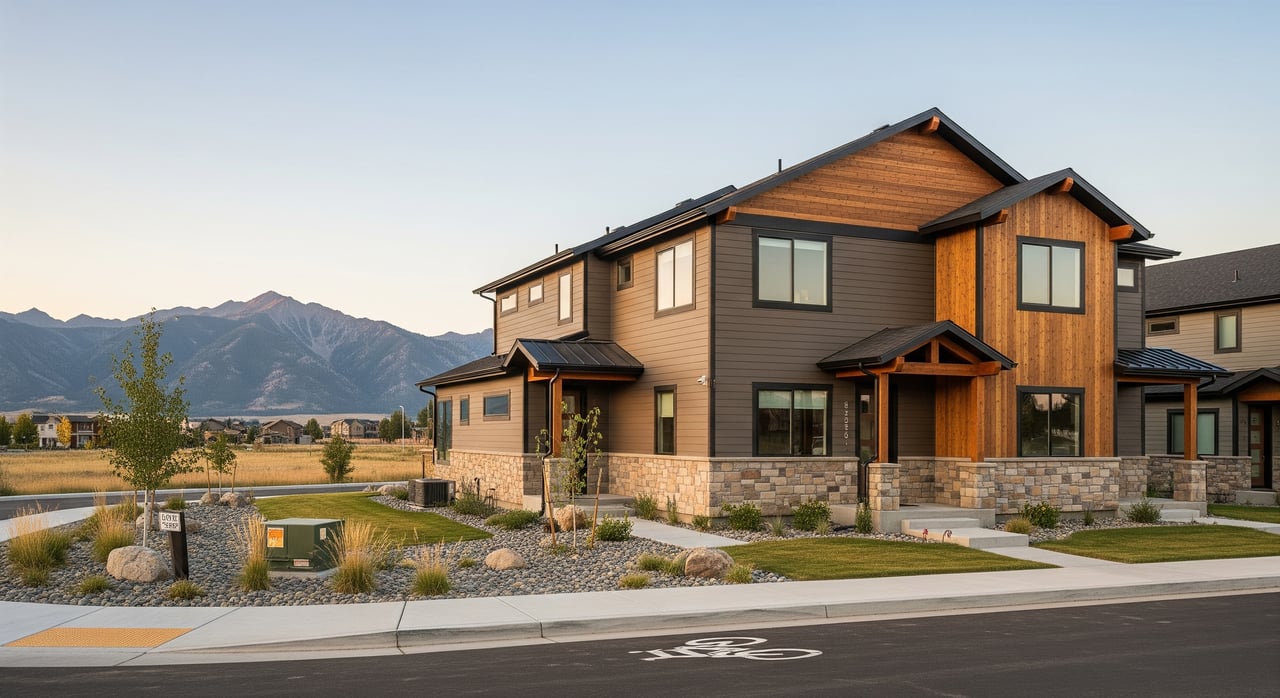
You’ll find purpose-built apartments and condo developments marketed to professionals and students throughout Bozeman. These properties typically come with modern systems and amenities.
- Typical renters: grad students, young professionals, visiting academic hires.
- Pros: easier property management, fewer surprise repairs, attractive amenity sets.
- Cons: higher HOA or management fees for condos, potential developer restrictions, and denser competition.
Higher-end townhomes and foothill corridors
Northeast and foothill areas offer higher-priced single-family and townhome product with convenient outdoor access. These play well to renters seeking quality and stability.
- Typical renters: faculty, professionals, and families.
- Pros: lower turnover, premium rents for well-finished homes.
- Cons: higher purchase prices and less appeal for undergrads focused on walkability.
Micro-location factors that impact rentability
Small location details add up. Focus on:
- Walk time to campus: a 5 to 20 minute walk often correlates with stronger student demand.
- Transit and bike routes: key for renters without cars and for winter commuting.
- Proximity to downtown: expands your tenant pool to non-students.
- Parking: off-street spaces are a priority for both students and families.
- Street rules and operations: consider snow removal, street parking limits, and neighborhood noise policies.
How to evaluate rentability near MSU
Demand-side checks
- Enrollment and trend: confirm the direction of MSU’s enrollment through official reports.
- Tenant mix and lease type: decide if you’ll target students, year-round residents, or a hybrid. Students often prefer 9 to 10 month leases and may want furnishings.
- Comparable rents and vacancy: pull comps for your unit type and finish level from local listings and property managers.
- Seasonality: plan for summer vacancy or shoulder-season marketing.
- Amenities that lease units: in-unit laundry, dedicated parking, outdoor space, high-speed internet, and proximity to campus or downtown.
Supply-side checks
- Competing inventory: track new apartment projects and condo conversions that could add supply.
- Condition and unit mix: older homes with multiple bedrooms can yield well but need stronger maintenance budgets.
- Regulations: understand short-term rental rules, parking and occupancy limits, and any licensing requirements.
Operational considerations
- Furnished vs. unfurnished: furnished units can command higher rent but increase replacement and management costs.
- Turnover and maintenance: higher student turnover means more cleaning and repair work. Budget accordingly.
- Property management: if you will not self-manage, plan for an 8 to 12 percent management fee for long-term rentals, often higher for intense student turns.
HOA and condo due diligence
HOA rules can make or break your numbers. Review these items before you write an offer:
- Rental restrictions: check CC&Rs for caps on the percentage of rentable units, minimum lease terms, or bans on short-term rentals.
- Dues and coverage: understand exactly what monthly dues include and how they affect NOI.
- Special assessments: request financials and reserve studies to gauge potential assessments.
- Insurance: clarify owner coverage beyond the master policy.
- Tenant rules: confirm occupancy limits, parking, and noise policies. These directly impact student rentals.
- Governance and meeting minutes: review the last 12 to 24 months for hints of upcoming projects or rule changes.
Cash-flow basics and a quick underwriting framework
Build your model on conservative assumptions and stress test it.
- Gross rental income: total annual rent at market.
- Vacancy allowance: student markets can run seasonal vacancy. Many investors use 5 to 15 percent depending on tenant mix.
- Operating expenses: taxes, insurance, utilities if landlord-paid, maintenance, management, advertising, legal/accounting, HOA dues.
- Net operating income (NOI) = Gross income − Vacancy − Operating expenses.
- Capitalization rate (Cap rate) = NOI ÷ Purchase price. Compare to market alternatives.
- Cash-on-cash return (CoC) = Annual pre-tax cash flow ÷ Total cash invested.
- Debt service coverage ratio (DSCR) = NOI ÷ Annual debt service. Many lenders prefer above 1.20 to 1.30.
Simple modeling steps:
- Estimate market rent for each unit and annualize it.
- Subtract vacancy and all operating costs to get NOI.
- Compare implied cap rate to local benchmarks and your target return.
- Layer financing to compute CoC under different down payment and interest-rate scenarios.
- Run a stress test that raises vacancy, maintenance, and interest rates to make sure the deal still pencils.
Local rules and logistics to confirm
Bozeman regulates certain rental activities. Always verify current requirements before you buy or convert a unit.
- Short-term rentals: review the City’s regulations and licensing to confirm allowable zones, inspections, and taxes. Start with the City of Bozeman for current guidance.
- Long-term rental licensing and inspections: confirm if any registration or inspection applies to your property type.
- Zoning and occupancy: check zoning for use limits that could affect multi-bedroom configurations.
- Landlord-tenant law: Montana rules govern deposits, notices, and habitability. See the Montana Attorney General’s renter resources for an overview of landlord-tenant responsibilities.
Your next steps
Ready to narrow your search to the best-performing pockets near MSU? Here’s a streamlined plan:
- Clarify your tenant focus: students, year-round residents, or a mix.
- Target micro-locations: short walk or easy bike to MSU and convenient access to downtown.
- Pull rent and vacancy comps: align to your unit type and finish level.
- Underwrite conservatively: include turnover, maintenance, and management costs.
- Verify rules: confirm HOA restrictions, city STR policy, and any occupancy limits before going under contract.
- Engage local pros: talk with a property manager about seasonality and turn logistics, and consult an attorney for lease compliance.
When you are ready to compare neighborhoods, run numbers, or vet HOA rules, connect with Tyler Garrison. As a CEBA-designated buyer’s agent with deep Bozeman market knowledge, Tyler will help you find the right address, negotiate favorable terms, and close with confidence.
FAQs
What are the best Bozeman neighborhoods for MSU rentals?
- Campus-adjacent blocks and the Downtown/Main Street corridor lead for walkability, while Southside neighborhoods and newer multifamily projects serve grad students, staff, and professionals.
How far from MSU should I buy for strong demand?
- Properties within a 5 to 20 minute walk or a short bus or bike ride tend to capture the most consistent student interest and lease quickly.
Do HOAs in Bozeman allow rentals near campus?
- Many do, but rules vary. Always review CC&Rs for rental caps, minimum lease terms, parking rules, and any short-term rental prohibitions.
Are short-term rentals allowed near MSU in Bozeman?
- Bozeman regulates short-term rentals by zone and license type. Confirm the latest requirements directly with the City before modeling STR income.
What underwriting metrics should I track on a campus rental?
- Focus on NOI, cap rate, cash-on-cash return, and DSCR, plus stress tests that raise vacancy and maintenance to ensure the property remains cash-flow positive.