Feeling torn between Bozeman’s mountain views and school drop-off routes? You’re not alone. As Bozeman grows, neighborhoods can feel similar at a glance but live very differently once you factor in schools, commute, outdoor access, and housing rules. In this guide, you’ll learn how the north, south, west, and near‑MSU areas compare so you can choose with confidence. You’ll also get a practical checklist and smart questions to use on tours. Let’s dive in.
Bozeman at a glance
Bozeman is a fast-growing hub in southwest Montana. Growth has shaped housing demand, school enrollment, and traffic patterns. That means neighborhood choice works best when you think about today and the next few years.
For families, the key drivers are consistent: proximity to schools, commute time to work and activities, access to trails and parks, and the kind of housing and lots that fit everyday life. Walkable and mountain-adjacent locations often come at a premium, while newer subdivisions cluster on the city’s edges.
Map the main areas
Locals often describe Bozeman by four general areas: near MSU/downtown, south side, west side, and north side. Each offers different tradeoffs for schools, commute, outdoor access, and housing stock.
| Area | Typical fit | Housing & lots | Outdoor access | Commute notes | Character & amenities |
|---|---|---|---|---|---|
| Near MSU/Downtown | Families who want walkability and short campus/downtown commutes | Older homes, smaller lots, some duplexes | River trail and urban parks nearby; foothills a short drive | Short to campus and downtown; parking can be tight | Cultural events, restaurants, farmers’ market, library |
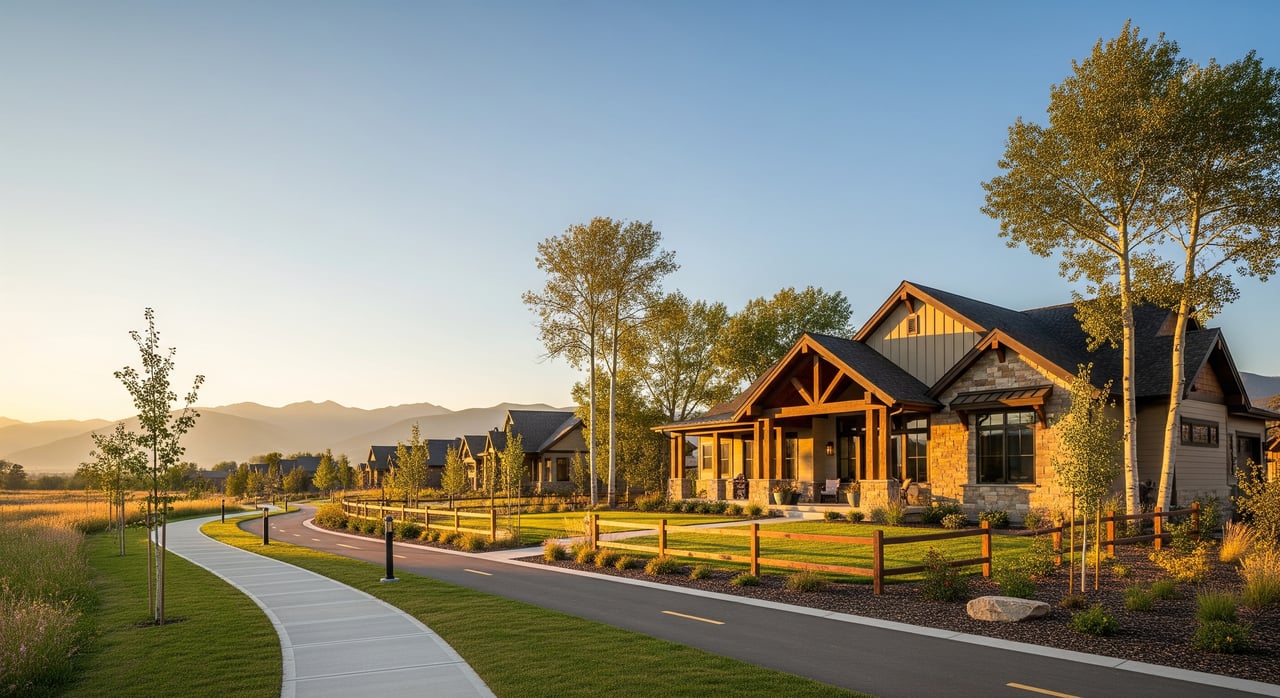
| South Side | Move-up families seeking newer homes and yards | Newer subdivisions, family floor plans, garages | Neighborhood parks and paths; trailheads a short drive | Direct routes to schools and shopping; car-centric layouts | Community parks, planned amenities |
| West Side | Outdoors-focused families and rural-leaning buyers | Mix of rural acreage, mountain cottages, newer homes | Quick access to foothills, hiking, biking, winter play | Longer drives to campus/downtown; some seasonal roads | Privacy, views, variable utilities |
| North Side | Convenience-minded and value-focused families | Mix of older homes and new infill | Parks and city trails; mountains a short drive | Good access to retail and medical services | Convenience to shopping and services |
Schools and family services
School boundaries and enrollment change as the city grows. Always verify current school assignments directly with Bozeman Public Schools before making an offer. Look at performance metrics and capacity trends, and consider before and after care options.
Newer subdivisions often sit near newer elementary schools, while established neighborhoods close to downtown and MSU may map to older, sought-after schools. Preschools and daycare availability can vary by area, so check waitlists early.
Commute and transportation
Bozeman commutes are shorter than in large metros, but growth can slow key corridors during peak school and work times. Routes along 19th Avenue, 11th Avenue, and I‑90 access points shape drive times.
Do a live commute test during drop-off and end-of-day hours. Note school routing, left turns, and where traffic stacks up. If you plan to bike or walk, confirm bike lanes, sidewalks, and trail connections that feel safe for kids.
Outdoor access priorities
If your family is outside most afternoons, proximity to trailheads may be a daily lifestyle win. West side and Bridger foothill areas provide the quickest access to hiking and biking. South side and parts of the north side often include planned parks, multiuse paths, and playgrounds in the neighborhood itself.
Near MSU and downtown, you get urban parks, the river trail system, and easy access to community events. Think about whether you want trailheads at your doorstep or a short drive paired with closer services.
Housing, lots, HOAs, and utilities
Near MSU and downtown, you’ll find older homes on smaller lots, with some duplexes or homes converted for rentals. South side subdivisions lean newer, with family-focused layouts, garages, and cul-de-sacs. West side and foothill pockets range from newer builds to rural acreage with varied utilities. North side blends older stock with new infill.
Check whether the home is on city services or well and septic. Rural and foothill properties may rely on private systems, which affects inspections, ongoing costs, and potential additions. Review HOA rules and covenants for fencing, play structures, RV parking, and exterior changes.
Risks and regulations to review
- Wildfire risk and defensible space requirements matter, especially in foothill and west side areas. Review local guidance and maps before you offer.
- Floodplain status can affect insurance and building options. Verify any river-adjacent or low-lying parcels.
- Property taxes and planned development nearby can influence traffic, school enrollment, and future resale.
- Internet and cell coverage can vary in rural pockets. Confirm service if you work from home.
Who thrives where
- Near MSU/Downtown: University-connected families and anyone who values walkability and short commutes.
- South Side: Move-up families seeking newer homes, larger yards, and planned parks.
- West Side: Active families who prioritize quick trail access and a more rural feel.
- North Side: Convenience-focused buyers who want options near shopping and healthcare.
Family buyer checklist
Use this quick list while you tour:
- Confirm current school assignment and recent enrollment trends.
- Drive your work and school commute at peak times.
- Visit morning, afternoon, and evening to gauge noise, traffic, and activity.
- Walk to the nearest park or playground and check sidewalk and crossing safety.
- Evaluate yard size, slope, drainage, and fence options.
- Verify city water and sewer versus well and septic; confirm broadband options.
- Review HOA fees, rules, and reserves.
- Note proximity to pediatric care, urgent care, and emergency services.
- Time the drive to your favorite trailheads, ski areas, and rivers.
- Check wildfire and flood maps, and look for other noise sources like highways.
- If you plan to expand, confirm setbacks, ADU potential, and zoning basics.
Smart questions before you offer
Ask these of the listing agent, HOA, and school district:
- Are there any planned boundary changes for the assigned schools?
- What are the HOA rules for fencing, play structures, and RVs?
- Is the home on city services or well and septic, and when were systems last serviced?
- What broadband options are available, and what speeds do neighbors actually receive?
- Are there approved developments nearby that could change traffic or noise?
- If rural or foothill, what are the wildfire mitigation expectations for this property?
Local resources to verify details
- Bozeman Public Schools for boundary maps and enrollment updates.
- City of Bozeman for planning, zoning, and parks and trails maps.
- Gallatin County GIS and Planning for parcel, floodplain, and permit data.
- Emergency management and natural resources agencies for wildfire guidance.
- FEMA Flood Map Service Center for floodplain information.
- Local news for coverage of school growth and transportation projects.
- Trails and land trust groups for trail connections and open space.
Choosing a Bozeman neighborhood is about aligning daily life with the outdoor lifestyle that drew you here. If you want an advocate who knows the trails as well as the block-by-block tradeoffs, reach out. Schedule a free consult with Tyler Garrison to map your options, verify the details that matter, and make a confident move.
FAQs
Which Bozeman area is best for families?
- It depends on your priorities. South side offers newer homes and yards, west side offers quick trail access, near MSU is walkable, and north side is convenient to services.
How should I evaluate Bozeman schools by neighborhood?
- Verify current school boundaries and enrollment directly with Bozeman Public Schools, and review state report cards alongside your family’s needs.
Is living near MSU too noisy for a family?
- Areas closest to campus can feel busier with student rentals, nightlife, and parking pressure, but you gain walkability and access to amenities and events.
Where can I find larger lots around Bozeman?
- West side and rural foothill pockets often have larger lots, while south side subdivisions offer bigger yards within city environments.
What should I know about utilities on the west side?
- Some rural properties use wells, septic systems, and variable internet. Confirm service type, inspection history, and broadband availability during due diligence.
How does growth affect commutes and schools in Bozeman?
- Growth can lengthen peak-hour commutes and increase school enrollment. Check planned roadway improvements and district boundary updates before you buy.