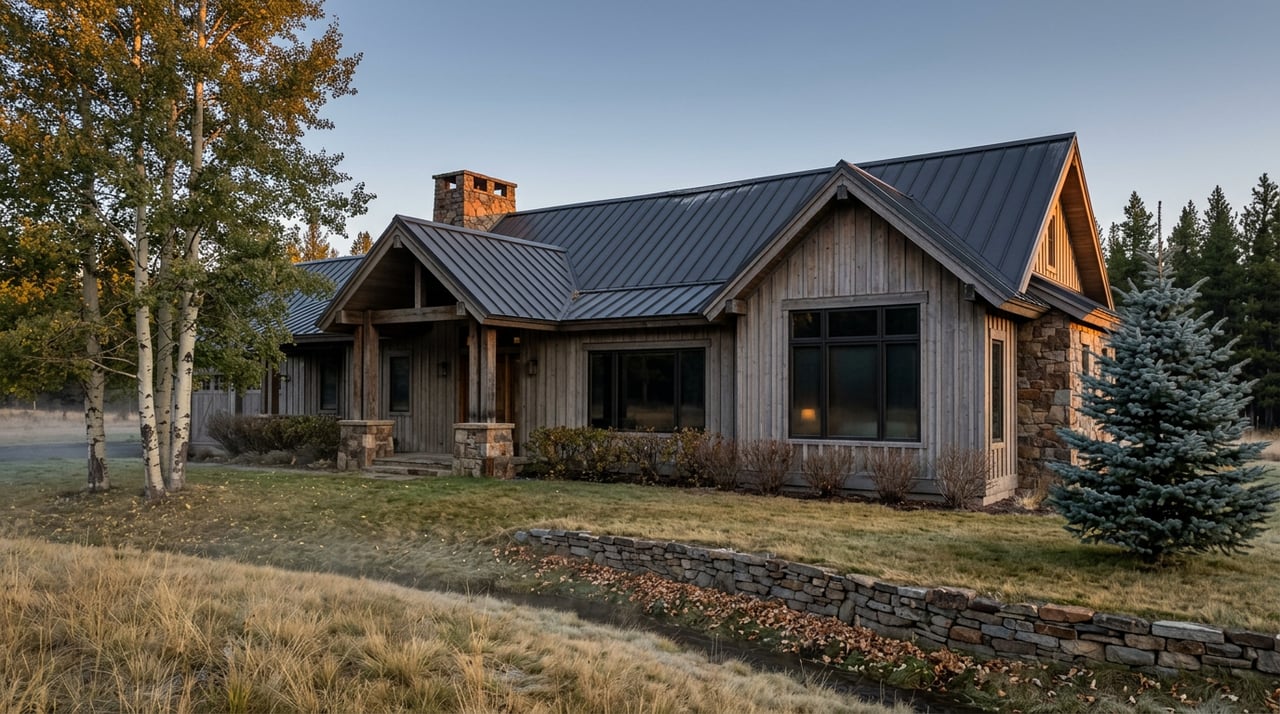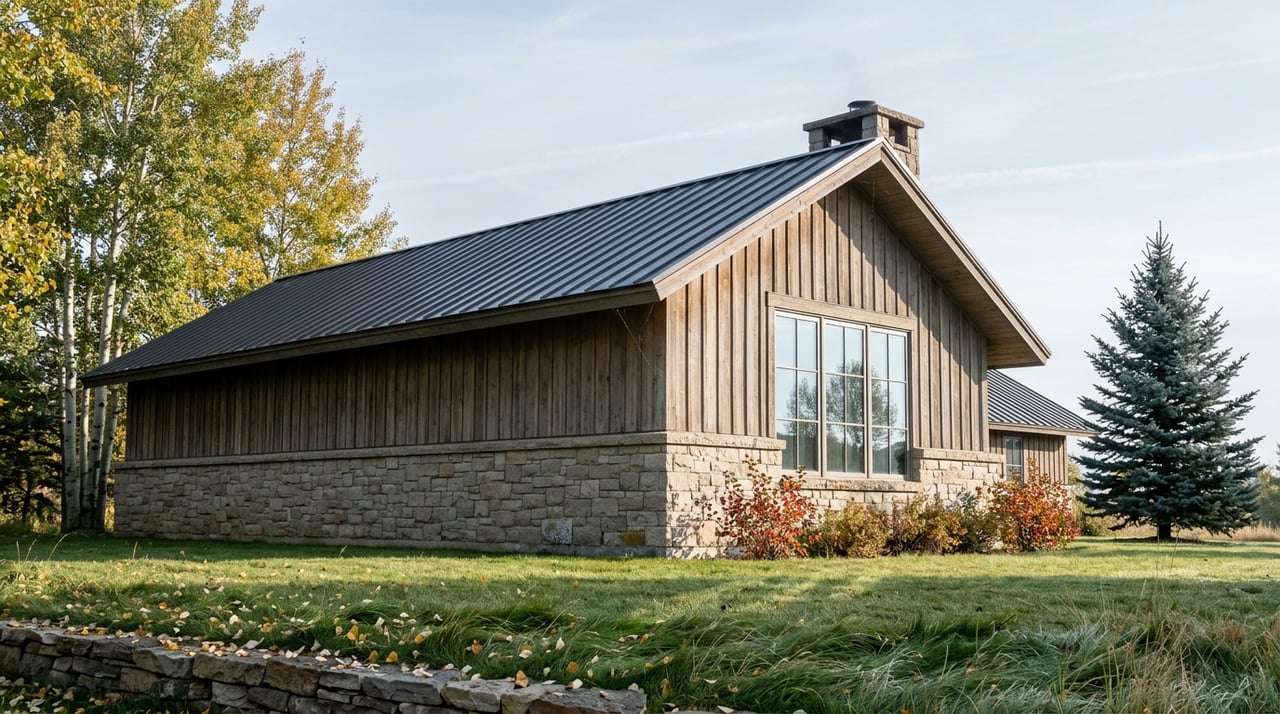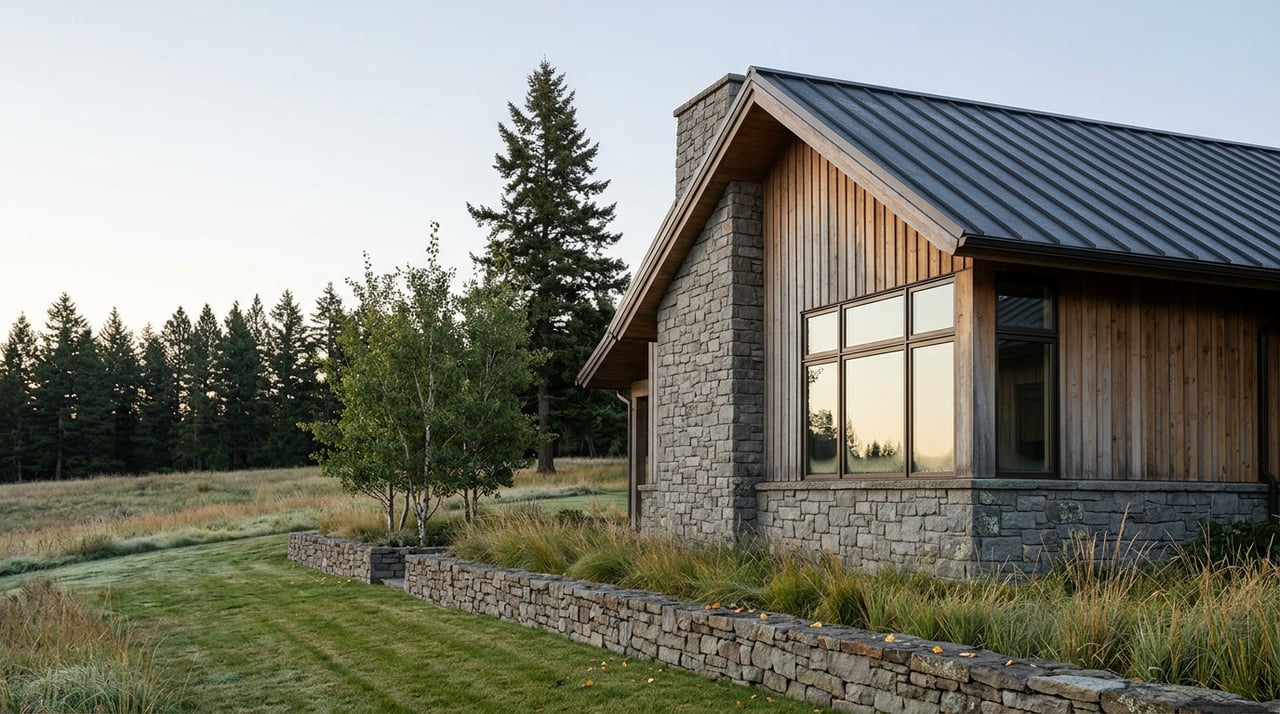
Two houses go up for sale on the same stretch of road outside Ennis this fall. Same square footage, same year built, same distance to the Madison River. The listing sheets show nearly identical prices and, coincidentally, nearly identical property tax lines from last year's bill.
Buy either one, and that tax number on the sheet stops being true the moment you close.
Starting with 2026 tax bills, Montana taxes the exact same house differently depending on who lives in it and how. A property that was someone's full-time home gets one rate. The same property, used as a second home or rented out by the week, gets another rate entirely, and the gap between them is now wide enough to change how a second-home purchase in Ennis actually pencils out.
The Price Everyone Argues Over Isn't the Number That Moved
Anyone shopping Ennis this year has probably noticed the market data doesn't agree with itself. One national tracker puts the average home value around $652,700 as of this summer. Another shows a median sale price closer to $607,000. Local MLS data reported this spring put the median sale price at $785,000, up more than 5 percent year over year, with active listings up over 100 percent from the year before and homes sitting on the market for close to six months before selling.
None of that is a contradiction so much as a symptom. Montana is a non-disclosure state, meaning sale prices aren't published publicly, and Ennis is a small enough market that a handful of ranch or river-access sales can swing any given month's median hard in either direction. That's a real dynamic, and understanding it matters before you anchor on any single number you see online.
But it's not the number that will actually move your annual cost the most. That number is a classification decision, and it has nothing to do with square footage or river frontage.
Two Tax Universes, One House
In April 2025, Governor Greg Gianforte signed House Bill 231 and Senate Bill 542, restructuring how Montana taxes residential property. The interim rates that applied in 2025 were a bridge. The full policy lands on 2026 tax bills, and it splits every residential property in the state into two separate tax treatments based on how the property is actually used.
| Property use | Tax treatment | Who qualifies |
|---|---|---|
| Primary residence | Tiered homestead rate, generally in the 0.76% to 1.10% range depending on value bracket | Owner lives there at least 7 months a year |
| Long-term rental | Same tiered homestead rate | Rented on leases of 28 days or more, for at least 7 months a year |
| Second home or short-term rental | Flat 1.90% rate | Everything that doesn't meet the above |
That flat 1.90% isn't a penalty rate buried in fine print. It's the default. A fly fishing cabin used three or four months a year, or a place booked out on a nightly basis to anglers chasing the Madison's blue-ribbon water, lands in that bucket automatically, regardless of price point.
What the State's Own Numbers Say Will Happen
The Montana Department of Revenue published projections for what this shift does to actual bills. Owner-occupied homes are projected to see an average 18 percent decrease by the time the policy is fully phased in. Qualifying long-term rentals are projected to see about a 22 percent decrease. Second homes and short-term rentals, the properties that don't qualify for homestead treatment, are projected to see a cumulative increase of 68 percent, compared to the 14 percent increase they would have seen if the old tax code had simply stayed in place.
Those are statewide averages, and they vary by county because local mill levies still layer on top of the state's rate structure. Gallatin County, for comparison, was projected to see a smaller 12 percent average decrease for homeowners than some other counties, while Missoula County's non-homestead properties were projected to more than double over the same period. Madison County wasn't broken out separately in the figures that circulated publicly, which is exactly why a buyer shouldn't try to back into their own number from a statewide average. The right move is asking the seller or the county treasurer for the actual current bill and understanding which bucket it falls into, not estimating from a percentage.
Why This Lands Harder in Ennis Than in Most Montana Towns
Ennis is a town of under a thousand year-round residents built around a ranching economy and a tourist season that revolves almost entirely around the river. That means a meaningful share of its housing stock exists specifically to serve visiting anglers, not full-time residents.
As of this summer, there were 156 active short-term rental listings in Ennis, averaging around $302 a night and roughly $22,100 in annual revenue per property, according to AirDNA's market data. Every one of those properties sits in the 1.90% default bucket unless the owner is also living there at least 7 months a year, which by definition most short-term rental owners aren't.
That matters for the math a lot of second-home buyers run before they make an offer. If your plan involves renting the place out during peak fishing season to offset the carrying cost, the tax line you need to subtract from that rental income just went up, in some cases substantially, and it went up independent of anything happening to the purchase price.
The Deadline Already Passed, and That Still Matters to You
Here's the part that catches people who are buying right now, in the second half of 2026, off guard. The application window to lock in homestead treatment for 2026 tax bills closed on March 1, 2026. That date is behind us.
Homestead status doesn't transfer with the deed. It's tied to a declared use, filed by the owner, and once someone sells or changes how they use the property, that classification has to be re-established by whoever comes next. So the tax line printed on a current listing sheet describes the seller's life, not yours.
If you're buying a house that's been someone's full-time residence and you intend to keep it as a second home or seasonal rental, expect your future bill to jump to the flat rate once your own use is on file, even if the seller's bill looked modest. If you're buying a place currently sitting in the second-home bucket and you plan to move in full time, you can apply for the lower tiered rate going forward, but nothing happens automatically. You have to file it yourself, and landlords claiming the long-term rental version of the exemption have to periodically recertify that the property is still being used that way.
The practical takeaway for anyone closing on an Ennis property this fall or winter: ask specifically how the home is currently classified, not just what the last tax bill said, and confirm the current filing deadline at homestead.mt.gov before you assume next year's bill will look anything like this year's.
A Few Questions Worth Settling Before You Write an Offer
Does the rate change the moment I close, or does it wait for the next tax year? The classification on file typically carries through the current tax year regardless of who owns the property. Your own filing determines the rate starting the following cycle, so there can be a gap between closing and when your actual use catches up to your bill.
Can a short-term rental ever qualify for the lower rate? Not under the current structure. The homestead rate requires either personal occupancy for at least 7 months a year or leases of 28 days or more for at least 7 months a year. Nightly and weekly bookings don't count toward either threshold, no matter how the owner splits their own time at the property.
What if I split time between Ennis and another home? The 7-month occupancy threshold applies to a single primary residence. If neither home clears that bar on its own, neither one automatically qualifies for the homestead rate, so work through the details with a tax professional before assuming a split-time arrangement gets you the lower number.
The price on an Ennis listing is a starting point for negotiation. The tax classification underneath it is a starting point for a very different conversation, one about what you actually intend to do with the house once it's yours. Getting that second conversation right before you make an offer is the difference between a number you budgeted for and one that shows up as a surprise on your next county tax bill.
If you're weighing an Ennis property against other second-home markets in the Gallatin and Madison Valleys and want help running the real numbers, not just the ones on the listing sheet, Tyler Garrison works with buyers across both valleys as a CEBA-designated advocate, and a free consultation is the place to start sorting out what a specific property will actually cost you to own.